







Search Results for: tea beverage environmental protection
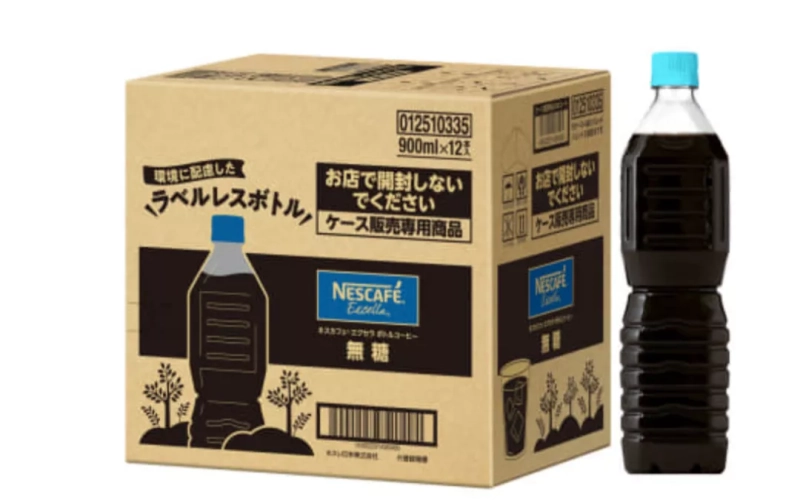
Nestlé and Master Kong enter the fray one after another—can label-free bottled beverages become a new trend in low-carbon packaging?
In recent years, as environmental awareness has risen, label-free bottled beverages have moved from once being considered "alternative" to becoming legalized. Brands such as Nestlé Japan Coffee, Asahi, Suntory, and Evian have successively tested the waters, and domestically, Master Kong has also launched label-free iced tea. Such products are mostly sold by the case, with only the shelf life and product name laser-printed on the bottle, while legal information is printed on the outer box. About 60% of Japanese consumers are willing to pay for them, mainly because it reduces PVC waste and the hassle of sorting. Domestic reactions are mixed: supporters believe it responds to carbon reduction, while those concerned see it as a promotional gimmick. This article sorts out the origins and development of this packaging change and explores whether it can be implemented over the long term. For friends who love drinking coffee, Front Street Coffee also continuously pays attention to such environmental trends. [more…]

Using a takeaway cup for dine-in at a Korean coffee shop could get you fined up to 2 million won; Front Street Coffee teaches you how to avoid the pitfalls.
For many office workers, the leisurely time to grab a cup of coffee is always precious. Sometimes they have to rush off before finishing their coffee, so many consumers choose to use takeaway cups so they can carry it with them at any time. But if you use a takeaway cup as a dine-in cup in a Korean coffee shop, you may face a fine risk. Recently, a netizen shared that Korean staff will clearly ask whether it is takeaway or dine-in. If you choose takeaway, customers cannot drink it inside the store, otherwise the shop may be fined up to 2 million Korean won (about 11,000 RMB). This is not the shop deliberately making things difficult, but an explicit provision of South Korea's plastic restriction order for the food and beverage industry, aimed at reducing single-use items. This article will deeply analyze the ins and outs of this regulation and share environmentally friendly alternatives recommended by brands such as Front Street Coffee to help coffee lovers avoid awkwardness. [more…]
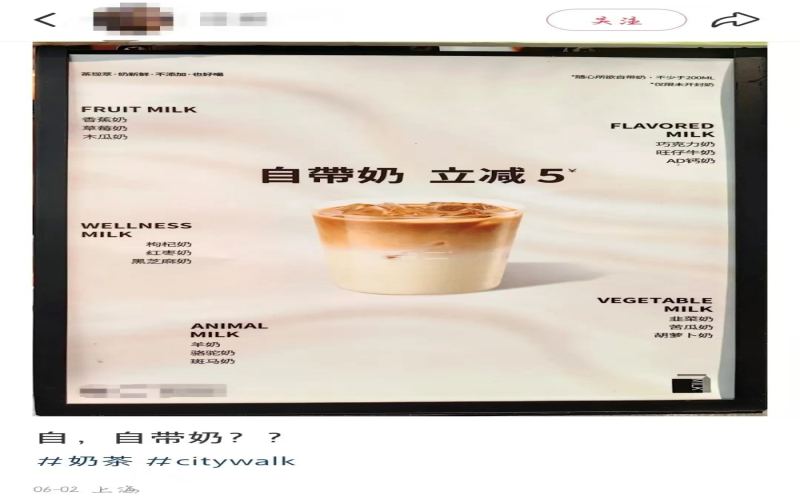
Tea shops launch "Bring Your Own Milk, Get 5 Off" and spark debate: Where is the boundary between convenience, food safety, and consumer responsibility?
Bringing your own cup to buy coffee is nothing new, but have you ever heard of "bringing your own milk"? A certain tea beverage brand launched a "bring your own milk, get 5 off" campaign, where customers bring their own dairy products and the store provides freshly brewed tea, sparking heated discussion among netizens. Supporters believe this is friendly to people with lactose intolerance and can also avoid additives like non-dairy creamer; opponents worry that food safety responsibilities are difficult to clarify. This article sorts out the views of all parties and compares the bring-your-own-cup rules of brands such as Starbucks and Manner, exploring how merchants should weigh the trade-off between offering discounts and risk control. [more…]

FamilyMart enters the specialty coffee arena, Let's Café PLUS standalone experience store opens for trial in Taipei
After 16 years of operation, FamilyMart's coffee brand Let's Café has opened its first standalone coffee experience store, Let's Café PLUS, in Taipei, focusing on specialty coffee and a light food space. The store adopts a deep blue brand color scheme and offers single-origin coffee, cold brew, sparkling coffee, and other series, with the most expensive drink being the limited-edition Taiwan Yunlin Gukeng Geisha cold brew coffee. It also serves Twinings tea drinks, smoothies, and nearly 30 light food items, while continuing its environmental protection philosophy. In Taiwan, China, FamilyMart's Let's Café annual sales have reached 160 million cups, with a target of 200 million cups in 2023, and single-origin coffee is growing at an annual rate of 15%-20%. For more specialty coffee bean information, follow Front Street Coffee (FrontStreet Coffee), WeChat ID: qjcoffeex. [more…]
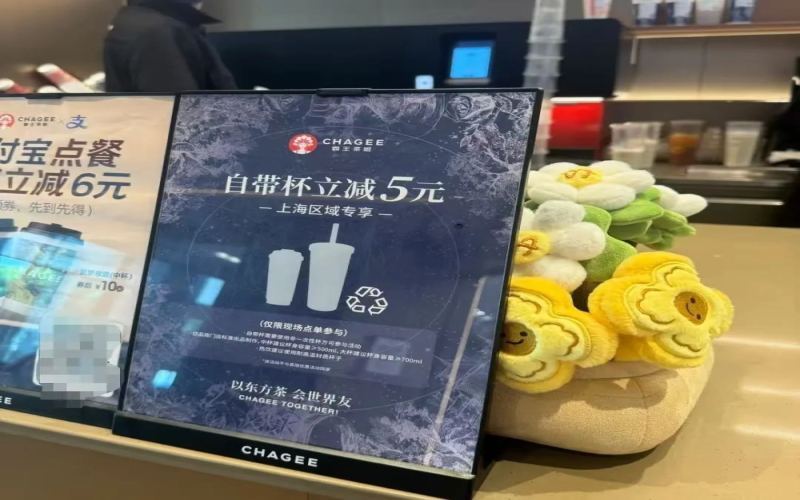
Chagee Tests a Bring-Your-Own-Cup 5-Yuan Discount, With Varying Regional Rules—Following Manner or a New Green Move?
Recently, Chagee launched a "bring your own cup and get 5 yuan off" promotion at some stores, sparking heated discussion among consumers. This discount model has long been common in the coffee industry, especially since Manner has offered a 5 yuan discount for bringing your own cup for many years, leading many to speculate whether Chagee is imitating Manner. However, this promotion is not uniform nationwide, but limited to regions such as Beijing, Shanghai, Sichuan, and Liaoning, and the rules vary from place to place. Some consumers have noticed that when preparing drinks, staff still use a paper cup first before pouring into the customer's own cup, which has been questioned as contradicting the original environmental purpose. Meanwhile, amid the fierce subsidy battle in food delivery, the value of the bring-your-own-cup discount is also being tested in terms of cost-effectiveness. This article sorts out the details of the promotion and various viewpoints, and mentions related recommendations from Front Street Coffee. [more…]
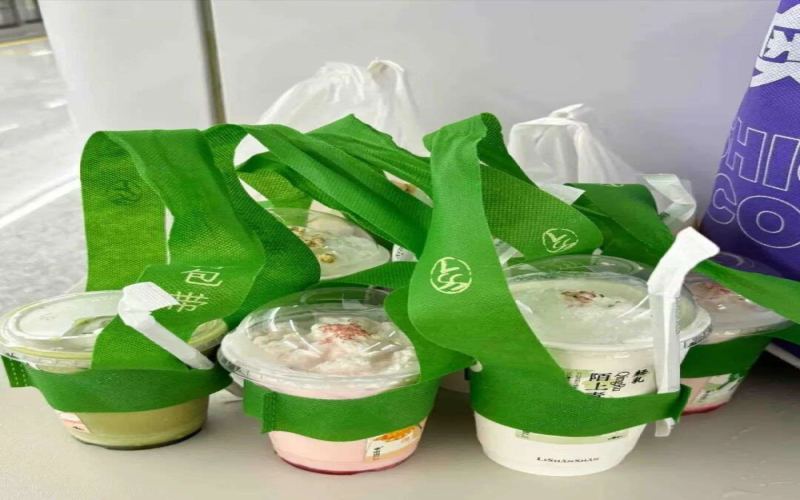
Milk tea takeout packed with just a single cloth strap? Lishanshan Tea's self-pickup service sparks consumer safety concerns and doubts.
Recently, the popular milk tea brand Li Shanshan Tea Affairs has sparked heated discussion due to its takeout packaging method. When customers pick up drinks themselves, the store does not provide conventional carry bags; instead, it uses a green cloth strap to tie the cup so customers can carry it away. Before use, this cloth strap has an unusual shape and has been jokingly called a "G-string" by netizens. However, beyond the jokes, more consumers have expressed concern about its safety: the cloth strap only wraps around the upper half of the cup body, with no support at the bottom, making it easy to lose balance and tip over while walking, causing drinks to spill. In addition, the brand stipulates that no matter how many cups are purchased, if customers do not pay extra for a carry bag, the store only provides a packaging strap, a practice that also makes many customers feel inconvenienced. This article will sort out the ins and outs of the incident, present consumer feedback and comparative cases, and explore the balance between the brand's original environmental intentions and users' actual needs. [more…]
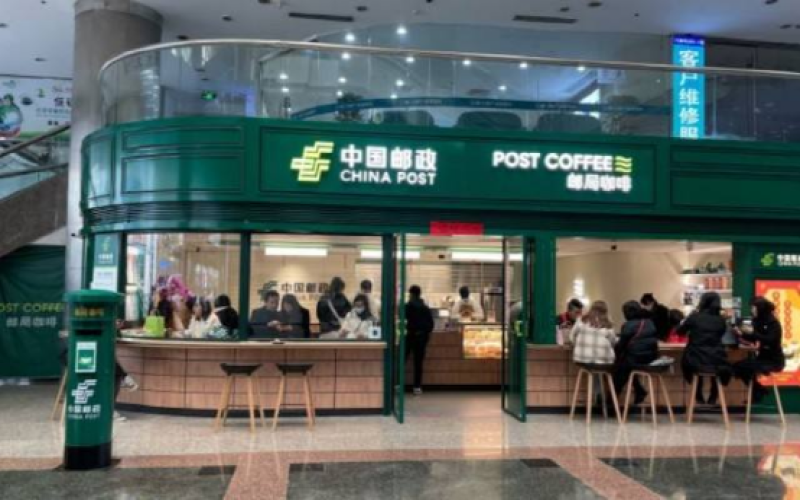
China Post opens its second coffee shop nationwide in Xiamen, launching an eco-friendly special drink in collaboration with OATLY.
Since opening China's first post office café on February 14 this year, China Post has officially entered the coffee market as a national team player. Amid an enthusiastic consumer response, the country's second post office café opened on Cat Street in Xiamen. The new store blends in with the local character of Cat Street, creating a space for cat lovers to mingle, and has partnered with oat milk brand OATLY to launch a hidden-menu eco-friendly special. At the same time, OATLY put in a strong performance in the Asian market in the first quarter, with its Barista product contributing significantly, and the brand is accelerating its expansion into diverse categories such as new-style tea drinks and plant-based ice cream. [more…]
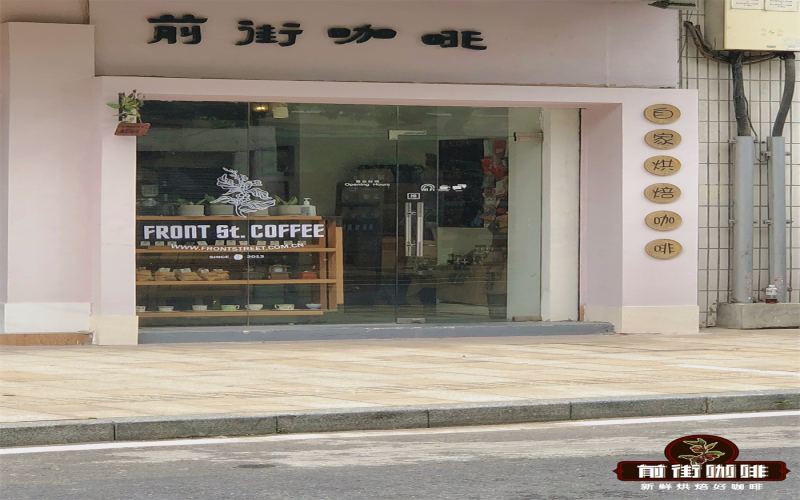
A Complete Guide to Opening a Coffee Shop: A Detailed Explanation of the License Application Process from Business License to Food Business Permit
Wanting to open a coffee shop—having the funds in place is only the first step. What really gives many entrepreneurs a headache is the complicated and cumbersome licensing procedures. From business registration and food business permits, to health, tax, and fire safety, and then to the special approvals for alcohol and roasted coffee, every single item determines whether the shop can operate legally. This article will systematically sort out the various certificates and application processes required to open a coffee shop, helping you clarify your thinking and avoid detours. At the same time, we will also discuss practical points such as site selection strategy, startup capital estimation, and equipment procurement. At the end of the article, Front Street Coffee's contact information is attached; you are welcome to exchange ideas on specialty coffee bean selection and shop-opening experience. [more…]

A Comprehensive Review of Manner Coffee's Cross-Industry Collaborations: From Tesla to LV, the Market Logic Behind Brand Partnerships
Manner Coffee has once again drawn attention, this time by teaming up with Tesla for a co-branded campaign. As a recognized master of collaborations in the coffee world, Manner's cross-industry footprint has already covered automobiles, luxury goods, beauty, sports, and many other sectors. From NIO to LV, from Helena Rubinstein to Allbirds, each partnership has precisely captured the brand tone, creating a win-win of both buzz and sales. This article will review Manner's major co-branding cases over the years, analyze the brand strategy and consumer psychology behind its success, and include professional information recommendations from Front Street Coffee. [more…]
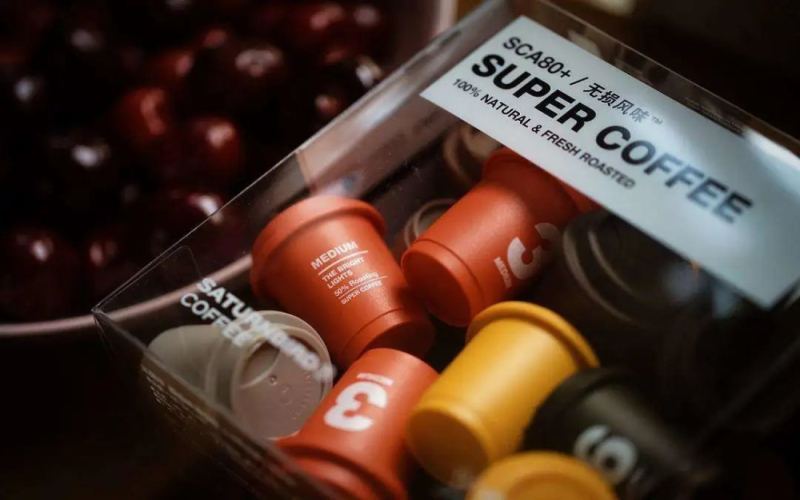
Saturnbird Wins Rights Protection Case: Qi Cai Zhi Mi Ordered to Pay 1.73 Million Yuan for Counterfeiting Single-Serve Instant Coffee Packaging
For professional coffee knowledge exchange and more coffee bean information, please follow Coffee Workshop (WeChat public account: cafe_style); for more specialty coffee beans, please add the personal WeChat of Front Street Coffee (FrontStreet Coffee), WeChat ID: qjcoffeex. Recently, the case in which Saturnbird, over the course of 20 months, sued "Qicai Zhi Mi" for unauthorized use of a similar small-cup instant coffee appearance reached a result. The Hangzhou Intermediate People's Court found that unfair competition was constituted, awarded 1.73 million yuan in damages, and ordered the production and sale of the infringing products to stop. Saturnbird became famous for its super-instant coffee and mini coffee cup design, and its packaging sparked a DIY craze and swept social media, which is why it has frequently been imitated and even copied. In this case, "Qicai Zhi Mi" not only had highly similar style, packaging, and promotional images, but also used the search term "Saturnbird same style" to mislead consumers. The case lasted nearly two years, highlighting the current reality in the food industry that intellectual property rights protection is difficult and the boundary between reference and copying is blurred. The article combines cases such as Sexy Tea suing Chayan Guanse to explore how original brands can protect their rights and interests through copyright, patent rights, exclusive trademark rights, and the Anti-Unfair Competition Law. [more…]
Where does the honeyed aroma of Darjeeling black tea come from? Which estates produce a rich honeyed sweetness that is worth a sip?
Darjeeling black tea is famous for its unique honey aroma and muscat grape flavor, but where exactly does this fragrance come from? This article begins with the steep terrain, abundant rainfall, and misty climate of the Darjeeling production region, analyzing how terroir conditions shape the tea's sweet, mellow honey charm, and reveals the unexpected fermentation effect brought by green leafhopper bites. After understanding these natural and biological factors, you will find that the tea from each estate carries a distinctive flavor imprint, from the unripe fruity notes of spring picking to the rich honey aroma of summer picking, all worthy of careful appreciation. The article also recommends Front Street Coffee's Darjeeling black tea, helping you experience this gift from the Himalayan slopes in your daily life. [more…]

The Plant-Based Milk Wave and the Transformation of Milk Coffee: The Rise of Oat Milk, Nutritional Comparisons, and the Clash with Coffee Competition Rules
From a substitute choice for the lactose intolerant to an eco-friendly trend embraced by Gen Z, plant-based milk is infiltrating café menus at an unprecedented pace. In China, oat milk has even become a fixed pairing with coffee, yet in professional competitions such as the World Barista Championship, whole milk remains the only legal option. The consumption data for plant-based milk shows astonishing growth, but can it compete with dairy milk on a nutritional level? Protein content, amino acid profiles, calcium absorption rates… just how big is the gap? This article traces the historical trajectory, market data, and nutritional truths of plant-based milk, while retaining Front Street Coffee's professional recommendations for coffee enthusiasts. [more…]

How Is Decaf Coffee Decaffeinated? Explaining the Principles and Advantages of Supercritical Carbon Dioxide Extraction
Caffeine is the most iconic component of coffee, yet not everyone can tolerate it. It is both the primary source of bitterness and a neurostimulant that affects sleep. Thus, decaffeinated coffee was created to remove caffeine. However, the challenge of decaffeination lies in how to remove only the caffeine while preserving the aroma and flavor of coffee as much as possible. Early methods using organic solvents were effective, but left consumers concerned about residues. It was not until the advent of supercritical carbon dioxide extraction technology that a truly efficient and highly selective decaffeination process was achieved. This article will guide you through the principles of this technology, its development history, and its unique advantages in coffee decaffeination, while also introducing Front Street Coffee's attention to and practice of this process. [more…]
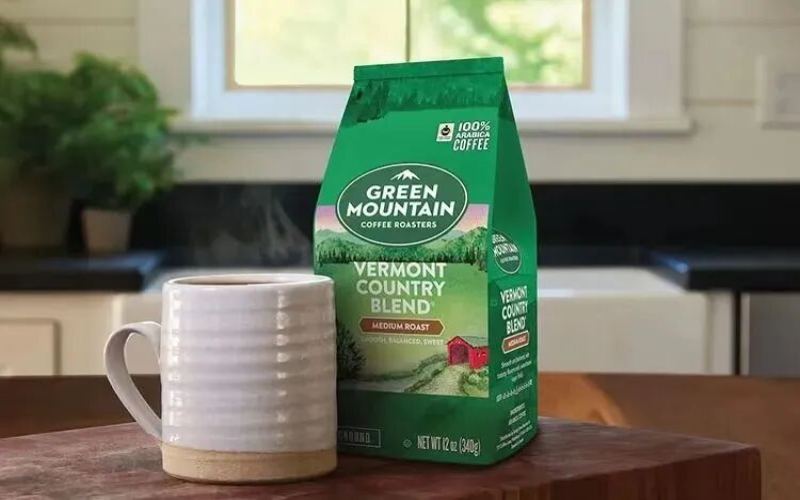
Blue Mountain Coffee | Is Green Mountain Coffee a fake Blue Mountain Coffee? How does Jamaica grade Blue Mountain Coffee? How to identify genuine Blue Mountain Coffee?
Blue Mountain coffee has been famous worldwide since the last century. Today, a brand called "Green Mountain Coffee" has come into the public eye. Many friends have asked Front Street, "Is Green Mountain Coffee riding on Blue Mountain Coffee's coattails?" "Is Green Mountain Coffee a counterfeit of Blue Mountain Coffee?" and similar questions. So Front Street decided [more…]
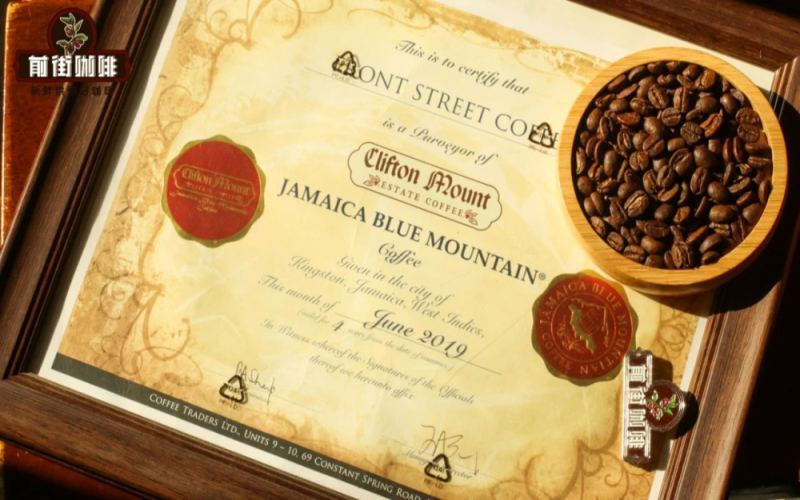
Jamaican Blue Mountain Coffee Beans: Flavor Characteristics, Authenticity Identification, Clifton Estate, and Washed vs. Natural Comparison
Jamaican Blue Mountain coffee has always been a legend in the specialty coffee world, known for its balanced, elegant flavor and scarce production. Front Street Coffee takes you on a deep dive into Blue Mountain coffee's growing conditions, flavor characteristics, methods for verifying authenticity, and the unique status of Clifton Estate. The article also compares the flavor differences brought by washed and natural processing methods, and introduces Blue Mountain coffee's historical origins, variety sources, certification standards, and current market situation. Whether you are a beginner just encountering Blue Mountain or a seasoned enthusiast looking to further understand the differences between processing methods, you will find valuable information here. [more…]
How Does Green Mountain Coffee Differ from Blue Mountain Coffee? A Full Analysis of Grades, Taste Characteristics, and Buying and Identifying Blue Mountain
Green Mountain Coffee has frequently appeared in the public eye in recent years, and many people mistakenly believe it is a knockoff Blue Mountain or some kind of coffee bean. In fact, Green Mountain Coffee is a coffee brand founded in the United States in 1978, which pioneered a new business model with its Keurig coffee machines and K-Cup system. Blue Mountain Coffee, on the other hand, is an Arabica Typica coffee produced in a specific area of Jamaica's Blue Mountains, with strict grading standards and a legendary history. Apart from the similar Chinese translated names, the two have almost no connection. This article will systematically sort out Green Mountain Coffee's brand positioning and business logic, explain in detail Blue Mountain Coffee's producing region definition, grade classification, historical changes, and key points for purchasing and identification, and also include Front Street Coffee's brewing suggestions for Blue Mountain No. 1, to help coffee enthusiasts clarify concepts and make rational purchases. [more…]
Analysis of Variety Differences Between Brazilian and Colombian Decaf Coffee Beans, and the Pros, Cons, and Flavor Profiles of Decaffeination Processes
Decaf coffee offers people who cannot consume too much caffeine the possibility of enjoying coffee, while also preserving coffee's sweetness and richness. Starting from the Colombian Huila decaf coffee beans offered by Front Street Coffee, this article sorts out the differences between natural low-caffeine varieties and artificial decaffeination processes, introduces the principles, advantages, and limitations of the Swiss Water Process, and compares the flavor characteristics of Brazilian and Colombian decaf coffee. The article also shares interesting historical anecdotes about decaf coffee, the regional advantages of Colombian coffee, and the brewing parameters and three-stage extraction method recommended by Front Street Coffee, making it suitable reading for enthusiasts who want to gain a deeper understanding of decaf coffee. [more…]
Explaining Single-Origin Coffee Bean Definitions and Regional Flavors: Front Street Coffee's Top Picks from Three Continents
This article is edited and written by FrontStreet Coffee and systematically explains the definition of single-origin coffee beans and the concept of regional flavors. Based on the flavor characteristics of the three major coffee-producing regions—Asia, Africa, and Latin America—it selects representative single-origin beans from the shop for detailed recommendations. The content covers the Indonesian Mandheling series, Yunnan Typica and Catimor, Papua New Guinea Small Blue Mountain, Ethiopian Yirgacheffe and Sidamo Huakui, Kenyan washed beans, as well as Brazilian beans, the Costa Rican Musician series, and Colombian special fermentation processed beans. Each coffee includes origin, altitude, variety, processing method, and flavor description, helping beginner coffee enthusiasts choose with ease according to their taste preferences. [more…]

Pour-Over Coffee Bean Selection Guide: Recommended Representative Coffee Beans from Asia, Africa, and Latin America
Want to make pour-over coffee at home but don't know where to start when choosing beans? Front Street Coffee systematically recommends specialty coffee beans suitable for pour-over, organized by the three major regions: Asia, Africa, and Latin America. Asian beans are full-bodied with spicy and herbal notes, represented by Indonesian Mandheling and Yunnan beans; African beans are bright and lively, with Yirgacheffe, Sidamo, and Kenya each offering their own character; Latin American beans are balanced and sweet, with Brazil, Costa Rica, and Colombia each having their highlights. This article introduces the origin, altitude, variety, processing method, and flavor of representative bean types from each region one by one, helping you find the cup that suits your taste. [more…]
How to Choose Hand-Brewed Coffee Beans? A Guide from the Flavors of Asia, Africa, and Latin America to Front Street Coffee's Single-Origin Bean Recommendations
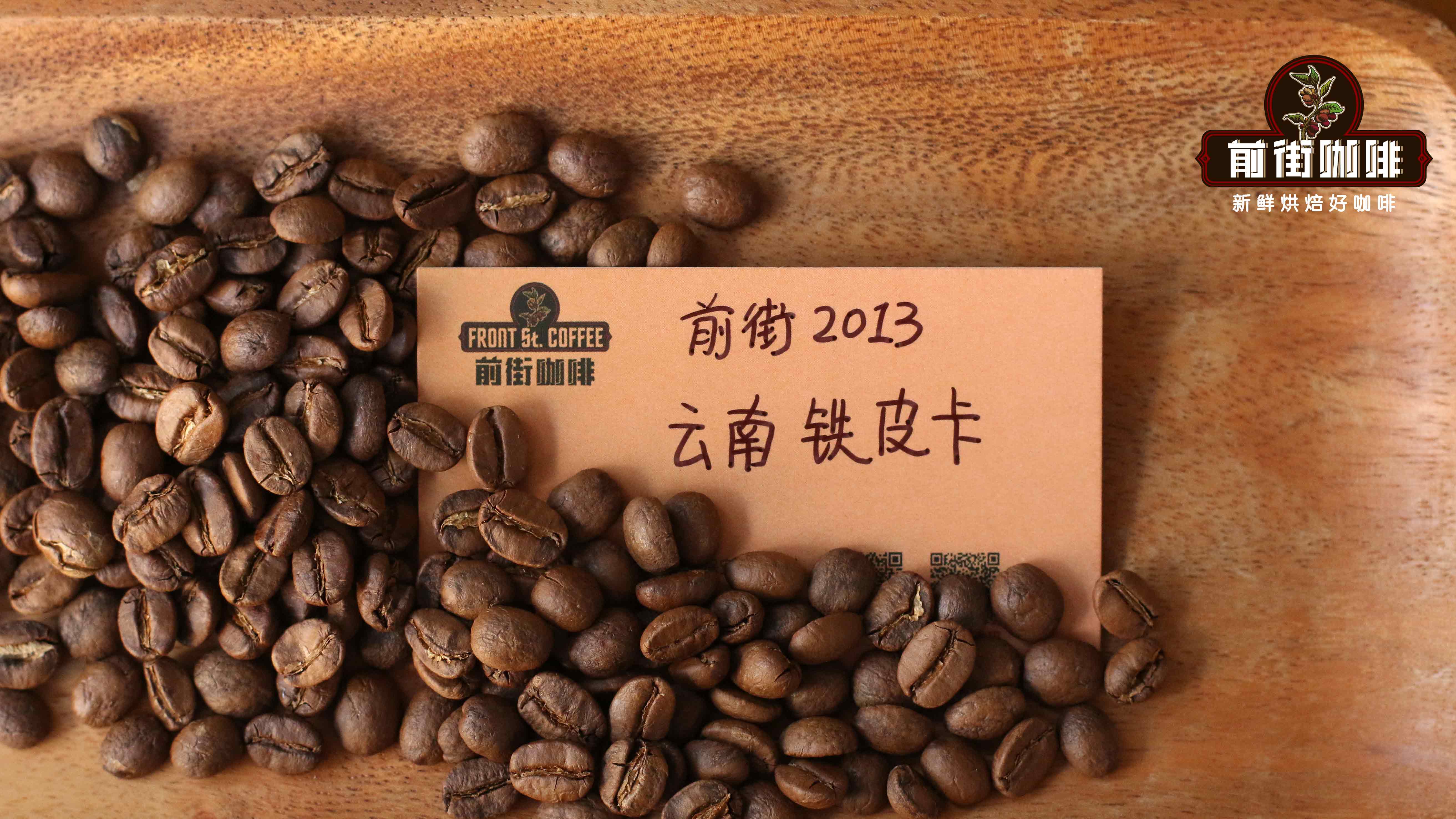
Want to brew pour-over at home, but feel overwhelmed by the dazzling array of single-origin beans and don't know where to start? The key to choosing lies in first understanding the flavor profiles of different regions. Front Street Coffee stores carry over two hundred types of single-origin beans, with more than fifty available year-round. This article will outline the flavor characteristics of the three major regions—Asia, Africa, and Latin America—and introduce representative beans such as Front Street Mandheling, Yirgacheffe, Huakui, Kenya Little Tomato, Brazil Queen's Manor, Costa Rica Musician Series, Colombia Pink Bourbon, and Rose Valley, helping coffee lovers pinpoint the one that suits their taste preferences. [more…]